
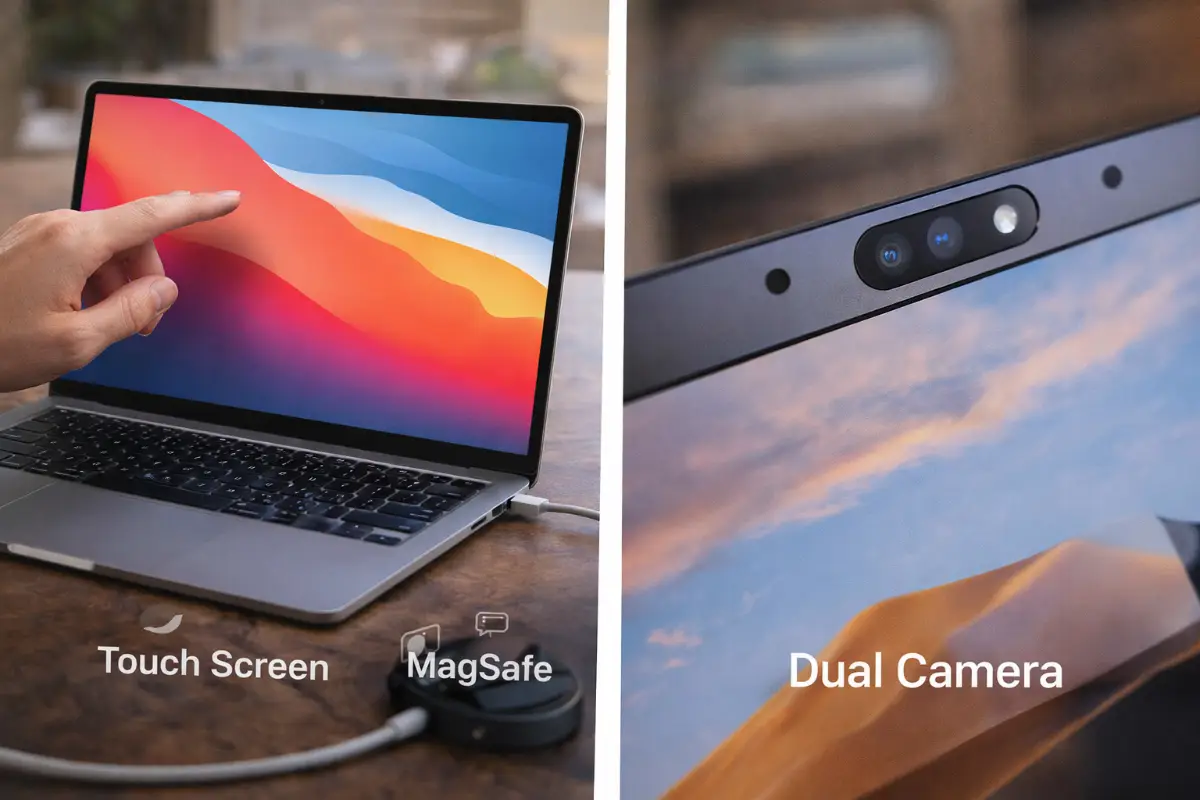
When you first use a 15-inch MacBook Air lightweight laptop, it feels almost perfect. Big screen, quiet performance, long battery—everything seems just right. But after a few weeks of real work, small issues start to show up.
If you’re a student managing assignments, a blogger juggling tabs, or a professional handling daily workloads, you begin to notice what’s missing more than what’s included.
This article isn’t about hype. It’s about real usage—what works, what doesn’t, and what could actually make the 15-inch MacBook Air better for people who rely on it every day.
The Bigger Screen Is Great—But It’s Not Fully Utilized
People often choose this computer because of its 15-inch display, expecting that more screen space will naturally improve multitasking. In theory, that sounds correct, but in practice, the MacBook Air does not fully deliver. Split-screen multitasking with multiple programs can feel frustrating rather than efficient, and even with a larger space, productivity workflows do not benefit as much as expected.
For example, when blogging with many tabs open, users still find themselves needing a second monitor. What could improve here is better support for multiple displays, improved tools for organizing open programs, and more flexible options for controlling screen size. A larger display should reduce dependence on external monitors, not increase it.
Performance Is Smooth—Until MacBook Air Isn’t
For everyday tasks, performance is smooth. MacBook Air starts quickly and handles browsing, document editing, and general use without issues. However, once pushed slightly beyond basic usage, limitations begin to appear. Tasks like video editing, design work, heavy multitasking, or handling many browser tabs can cause slowdowns.
Over time, the system may pause, heat up, and struggle to maintain performance. Improvements could include better thermal management, more consistent performance over long periods, and additional RAM options. Even regular users need systems that remain reliable under heavier workloads.

Limited Daily Use of Ports
Although the ports look clean and minimal, they can feel limiting in real-world use. For instance, when charging the laptop, connecting a USB drive, and using an external display simultaneously, users quickly run out of ports. This creates inconvenience and reliance on adapters. Improvements could include adding another USB-C port, placing ports on both sides, and including a built-in SD card reader. For bloggers, students, and professionals, fewer adapters mean a smoother and more efficient workflow.
The Audio and Webcam Aren’t Reliable Enough
With video calls being a daily necessity, the audio and webcam performance feels average. Low-light camera quality is not strong, and audio can sound flat in noisy environments. This makes the setup less suitable for meetings or content creation.
Improvements could focus on better low-light camera performance, enhanced microphone pickup, and smarter background noise handling. For users who rely on communication tools, these upgrades would make a meaningful difference.
Charging Is Slower Than the Long-Lasting Battery
One of the strongest features is battery life, allowing users to work for hours without concern. However, the charging speed does not match this strength. The real issue is that charging is slower than current standards, which can be inconvenient when time is limited.
For example, having less than half a battery before an important meeting highlights the need for faster charging. Improvements could include faster charging technology and smarter battery management systems. While long battery life is valuable, charging speed is equally important.
Keyboard and Trackpad Are Excellent — But Not Evolving
The keyboard and trackpad provide a solid and reliable experience, but there has been little improvement over time. While there are no major complaints, users may appreciate enhancements such as deeper key travel, customizable shortcuts, and better tactile feedback.
These changes could significantly improve the experience for writers and professionals who use the device for extended periods.

Storage Pricing and Base Models Feel Restrictive
Storage limitations often become noticeable after purchase. Once the base storage is exceeded, upgrades can be expensive, leading users to rely on external storage solutions.
Improvements could include offering higher base storage options and more affordable upgrade pricing. Users, especially students and professionals, prefer systems that do not require constant management of storage space.
Software Experience Is Clean — But Could Be Smarter
The MacBook Air experience is stable and simple, which is a major strength. However, it can sometimes feel too minimal. Limitations include basic window snapping, limited multitasking features, and a lack of built-in productivity tools. Small improvements in these areas could make a significant impact.
Adding built-in productivity tools, improving task and window management, and introducing smarter system-level features would enhance usability. The goal should remain ease of use without unnecessary complexity.
Final Thoughts
The 15-inch MacBook Air does many things well. MacBook Air is lightweight, dependable, and easy to use for long periods. However, its limitations become clearer when used beyond basic tasks. Issues such as limited ports, reduced performance under load, basic multitasking tools, and slow charging affect everyday productivity.
These are not major flaws, but small practical concerns that can impact real-world usage. Addressing these areas would make the device more capable and better suited for demanding work.
