
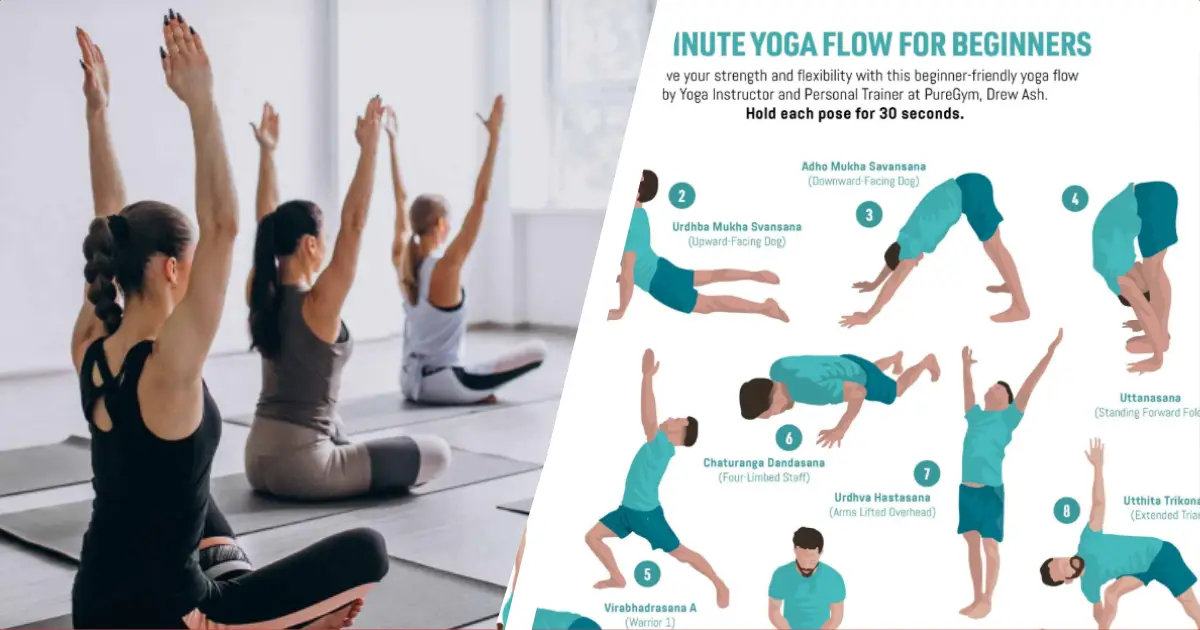
The great thing about Yoga Benefits is that it is an ancient practice that continues to spread globally every year. It is a great way to improve your physical, mental, and emotional health. People are even beginning to practice yoga to stay healthy. It is important to remember, though, that just like with any other activity, Yoga Benefits can be done incorrectly and may lead to injuries or unfavorable results.
In this article, we will describe the benefits of yoga, the myths and misconceptions, and provide tips and tricks for beginner yogis to practice safely and get the most out of their yoga practice.
The Great Benefits of Yoga
The benefits and advantages of yoga are extensive. Here are just a few ways yoga can improve your life:
1. Improves Flexibility and Range of Motion
One of the best things about Yoga Benefits is that it improves flexibility. Regular practice helps to stretch and relax muscles, increases the range of motion, improves posture, prevents stiffness, and reduces the chance of injuries.
Example Poses: Downward Dog, Forward Fold, Pigeon Pose
Benefit: Increased flexibility, especially in the lower back, hips, and hamstrings, improves overall mobility.
2. Builds Strength and Muscle Tone
Yoga is an easy way to build strength and muscle tone, particularly in the core, arms, and legs. Most poses require holding your body weight in specific positions, gradually strengthening muscles over time.
Example Poses: Plank Pose, Warrior Poses, Chair Pose
Benefit: Stronger muscles, improved endurance, and a toned body.
3. Improves Mental Health
Practicing yoga benefits your mental health as well as your physical health. Yoga Benefits reduces stress, anxiety, and muscle tension, and promote relaxation. Mindfulness practices and meditation help clear the mind and bring a sense of calm.
Example Practices: Meditation, Pranayama (Breathing Exercises), Savasana
Benefit: Reduced mental stress and improved focus.
4. Enhances Balance and Posture
Many yoga poses focus on balance and alignment. Holding standing or balancing poses engages the core and improves posture. Better posture reduces stress on joints and the spine.
Example Poses: Tree Pose, Warrior III, Mountain Pose
Benefit: Improved posture and reduced back pain.

5. Better Sleep
Yoga can help reduce stress and relax the body, promoting better sleep. Practicing gentle Yoga Benefits and breathing exercises before bed can calm the mind and prepare the body for rest.
Examples: Gentle Hatha Yoga, Child’s Pose, Breathing Techniques
Benefit: Easier sleep and improved rest.
Common Yoga Mistakes and Misconceptions
Even though yoga is generally beneficial, it can be misused. Here are some common mistakes and the truth behind them:
1. Yoga is Only for Flexible People
Yoga benefits are for everyone, even those who aren’t flexible yet.
Myth: Attempting complex poses too soon will cause injury.
Reality: Foundation poses are essential to build flexibility, strength, and self-awareness gradually.
2. Do Not Push Yourself Too Much
Yoga Benefits is not competitive. Overexertion can lead to muscle strains and injuries.
Myth: Forcing deep stretches or advanced poses.
Reality: Always respect your body limits.
3. Yoga is Not Just a Workout
Yoga is more than physical exercise; it supports mental health and emotional balance.
Myth: Ignoring mindfulness or breathing exercises.
Reality: Mind and body awareness work together to maximize the benefits of Yoga Benefits.
4. Doing Yoga Without Proper Instruction
Incorrect alignment is a common cause of injury.
Myth: Practicing without a teacher is fine.
Reality: Work with a certified yoga instructor or follow reliable guidance to ensure correct posture and technique.

5. Expecting Instant Results
Yoga requires patience. Expecting immediate flexibility, strength, or calm can lead to frustration.
Myth: Quick results are guaranteed.
Reality: Benefits appear gradually with consistent practice.
Tips for Safe and Effective Yoga Benefits
- Start Slowly: Focus on simple poses, breathing, and alignment.
- Use Props: Blocks, straps, and blankets provide support.
- Mind Your Limits: Avoid overexertion; yoga is about progress, not perfection.
- Consistency Over Intensity: Daily 15–20 minutes is better than occasional long sessions.
- Include Mindfulness: Incorporate meditation and breathing techniques for full mental and physical wellness.
FAQs About Yoga
Q1: Can I practice yoga if I’m not flexible?
Yes. Yoga improves flexibility over time. Start with simple poses and practice regularly.
Q2: Is yoga safe for beginners?
Yes. It’s safe if you listen to your body and follow proper guidance.
Q3: Can yoga help with weight loss?
Yes. Yoga reduces stress, promotes a healthy lifestyle, and can aid in weight management when combined with a balanced diet.
Q4: How often should I do yoga?
Beginners should aim for 3–4 sessions per week. Advanced practitioners can do it daily.
Q5: Can yoga help with depression or anxiety?
Yes. Breathing exercises, poses, and meditation can reduce stress and improve mood.
The Bottom Line
The beauty of Yoga Benefits is that it improves physical, mental, and emotional health and can be practiced almost anywhere. When done safely and with the right technique, the Yoga Benefits are remarkable. Avoid common myths, focus on simple poses, and practice with mindfulness to get the most out of your yoga journey.
Remember, yoga is a personal journey. Don’t rush it. Enjoy the practice and make it part of your daily routine for a healthier, happier life.
